Morning Observations
How do you typically feel upon waking? Does energy build gradually or arrive quickly? When does the first energy peak occur?
Educational content about natural energy patterns
Everyone experiences natural energy fluctuations throughout the day. These patterns are influenced by various factors including circadian rhythms, activity levels, nutrition, and individual differences.
This educational content provides information about observing energy patterns. The approach emphasises awareness and observation.
There is no single standard pattern. Some people feel most alert in the morning, whilst others find peak energy later in the day. Understanding individual patterns is the foundation of personal awareness.
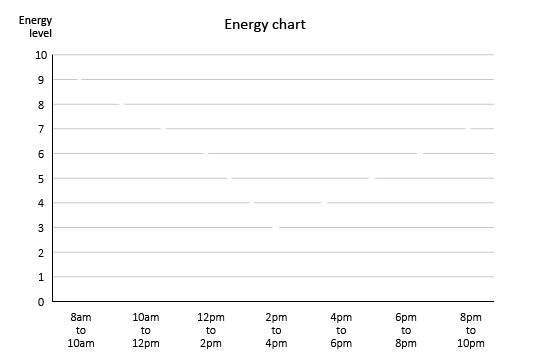
Spending time observing and noting energy levels at different times can provide useful information:
How do you typically feel upon waking? Does energy build gradually or arrive quickly? When does the first energy peak occur?
Many people experience an afternoon change in energy. Observe if this applies to you, when it occurs, and how pronounced it is.
Observe how energy shifts as evening approaches. Some people experience a second energy increase, whilst others wind down steadily.

After understanding patterns, this information may inform choices about when to schedule different types of activities:
This is informational content about scheduling awareness, not prescriptive guidance.
Alternating between different types of tasks is a common approach. Following focused mental work with physical activity or creative tasks is one option.
Short pauses throughout the day are commonly used. Even a few minutes of rest, stretching, or changing scenery may be refreshing.
Modifying surroundings may affect comfort. This might include lighting changes, temperature adjustments, or reducing distractions.
Considering energy patterns when planning the day is one approach. This involves being realistic about energy availability.
Allowing buffer time between activities is a common practice. Rushing from one task to another may be more tiring than the tasks themselves.
Recognising personal limits and communicating them when appropriate is part of self-awareness.
Educational Notice: All content is for educational and informational purposes only. This information does not constitute medical advice, diagnosis, or treatment. Consult a qualified healthcare professional for medical concerns or before making health-related decisions.